Floor desk / WashingtonSenate Post

Card C / recess file

The work that happens when the gavel is down

The Senate recesses more often than it votes, and the recess is not empty time. When the presiding officer steps down, the record keeps moving: a measure gets its number, the Journal closes an entry, the cloakroom makes a call, and a committee staffer rewrites a paragraph that will be read aloud on the floor two weeks later.

This file exists because that work explains the floor better than the floor does. A vote is a snapshot. The recess is the part of the process where positions are built, trades are made and language is settled before anyone speaks.

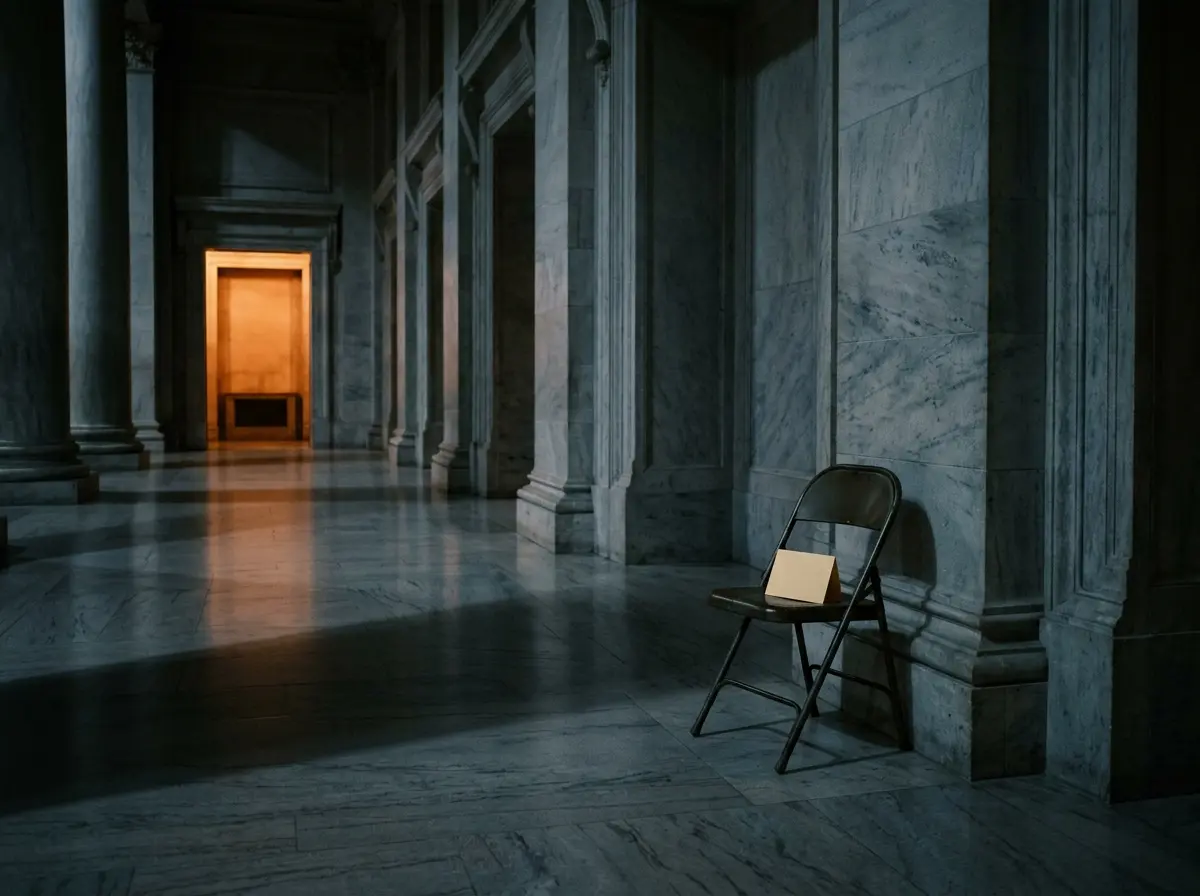
An empty marble corridor at night with a folding chair and a manila card left on the seat
Between the bells, off the floor

Bill clerk

Receives measures as they are introduced, assigns them a number and records the sponsor. The number a bill carries for the rest of its life is assigned here, often within minutes of introduction.

Journal clerk

Keeps the daily record of proceedings. The Journal is read and approved at the start of the next session day, which is why a correction to yesterday can surface as a motion on today's floor.

Parliamentarian

Advises the presiding officer on points of order and rule referrals. The office does not vote and does not argue on the floor. A referral from the parliamentarian can decide which committee gets a bill.

Cloakroom

Runs the count. Staff call offices to check positions, collect pairs and track who is in the building. When a vote looks close, the cloakroom is the room that knows first.

Committee staff

Drafts the language, prepares the section by section and briefs members on amendments. Most of the text argued over on the floor was written weeks earlier, in a room across the street.

Five desks that finish the day after the floor does

A quorum call is a pause with a purpose

The presiding officer can direct the clerk to call the roll when a senator suggests the absence of a quorum. Most quorum calls never produce a quorum. The bells ring, members walk through the chamber, and the call is vacated once enough senators have been recorded. What happens in the meantime is the point: leadership gets ten or fifteen minutes to finish a conversation that could not happen on the floor.

Staff watch quorum calls closely because they signal a stalled negotiation. Two calls back to back usually mean a vote count is moving in the wrong direction.

Executive session closes the doors

When the Senate moves into executive session to consider a nomination or a treaty, the chamber can clear its galleries and close the doors. A closed session is rare and usually short, but the rule allows it, and the record of what happened is entered in the Executive Journal rather than the daily Journal. That is one reason nomination fights can look like they have no paper trail: part of the trail lives in a different bound volume.

Committee staff write the sentence everyone quotes

A floor amendment is often a single sentence, drafted to change one number in a formula or one condition in an eligibility rule. The sentence is written with a legislative counsel attorney, checked against the underlying statute, and cleared with the member's office before it is filed. By the time it is read on the floor, the staff who wrote it have already modelled who it helps and who it costs.

We read amendments for that reason. The text is short, the effect is usually specific, and the debate on the floor is often about something else entirely.